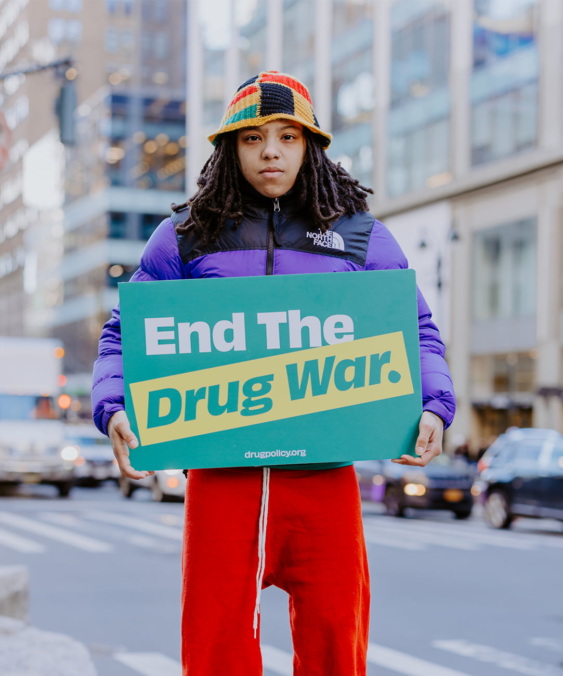
Reducing the Harms of Marijuana Prohibition

Marijuana arrests are the engine driving the U.S. war on drugs. Nearly half of all drug arrests each year are for marijuana-related offenses, the overwhelming majority of which are for personal possession. These arrests fall disproportionately on blacks and Latinos, although whites consume marijuana at the same rate or higher. Many of those who are arrested are saddled with a criminal conviction that can make it difficult or impossible to vote, obtain educational loans, get a job, secure housing, or even adopt a child. Additionally, the huge number of marijuana arrests each year usurps scarce law enforcement, criminal justice, and treatment resources at enormous cost to U.S. taxpayers.
 
Marijuana prohibition has also caused incalculable violence and destruction by fostering an illegal marijuana market.  Organized crime, drug cartels, and gangs are the greatest financial beneficiaries of marijuana prohibition.  In Mexico, illegal marijuana sales have contributed to the loss of tens of thousands of lives.
 
The Drug Policy Alliance aims to reduce the number, racially disproportionate nature, and potential collateral consequences of marijuana arrests, as well as other harms resulting from marijuana prohibition.
 

Marijuana Arrest Crusade, Racial Bias and Police Policy in New York City: 1997 – 2007

April 1, 2008
Harry G. Levine and Deborah Peterson Small
New York Civil Liberties Union

Marijuana in New York: Arrests, Usage, and Related Data

November 5, 2009
Jon Gettman
The Bulletin of Cannabis Reform

Federal Activist Toolkit

We can make a powerful impact by urging our members of Congress to end failed drug war policies. They care what their constituents have to say.
 

Tips for Talking to Congress

Legislators appreciate hearing from their constituents, and they are elected to represent our views. Always give your legislator your name, address, and telephone number so that they know you are one of their constituents. Be sure to include this information whether you visit in person, call, or write.

When you contact your legislators, a short sentence or two about why you personally support or oppose a certain proposal is fine. 

Most importantly, always be courteous and clear when communicating with your legislators. Remember, legislators are people, too!

Marijuana Prohibition is a Catastrophe: The Solution is Legal Regulation and Control

May 1, 2012

Legal regulation is not a step into the unknown – we have centuries of experience in legally regulating thousands of different drugs. Legal regulation means commonsense controls – marijuana wouldn’t be treated like Coca-Cola, available to anyone of any age, anywhere, at any time. Under many regulatory proposals, it would be taxed and regulated in a manner similar to alcoholic beverages.

Marijuana Arrests in the United States (2007)

November 5, 2009
Jon Gettman

This report provides an overview to a vast amount of data reported in the Marijuana Policy Almanac

The Marijuana Policy Almanac

This almanac provides the largest collection of detailed data about marijuana arrests in the United States ever released to the public. It contains detailed data at the national, state, county, and local agency level about marijuana arrests and related topics, such as marijuana use, criminal justice costs, and clearance rates for serious crimes. The Marijuana Policy Almanac also contains individual summary reports for each state, and rankings of states by penalties for marijuana possession, marijuana arrest rates, and the number of marijuana users.

Efficacy and Impact: The Criminal Justice Response to Marijuana Policy in the United States

August 25, 2005
Jason Ziedenberg and Jason Colburn
Justice Policy Institute

Law enforcement has been at the center of federal spending on criminal justice responses to drug use for decades. Leading national indicators of drug use and drug violations will show that 1) there is no clear relationship between drug arrests and drug use, and that 2) the impact of increased arrests, convictions and incarcerations of people for marijuana offenses has significant and measurable “collateral consequences” on communities and individuals.

The war on marijuana: The transformation of the war on drugs in the 1990s

Ryan S. King and Marc Mauer
Sentencing Project / Harm Reduction Journal

The results of this study suggest that law enforcement resources are not being effectively allocated to offenses which are most costly to society. The financial and personnel investment in marijuana offenses, at all points in the criminal justice system, diverts funds away from other crime types, thereby representing a questionable policy choice.

Page 12 of 15
Syndicate content